

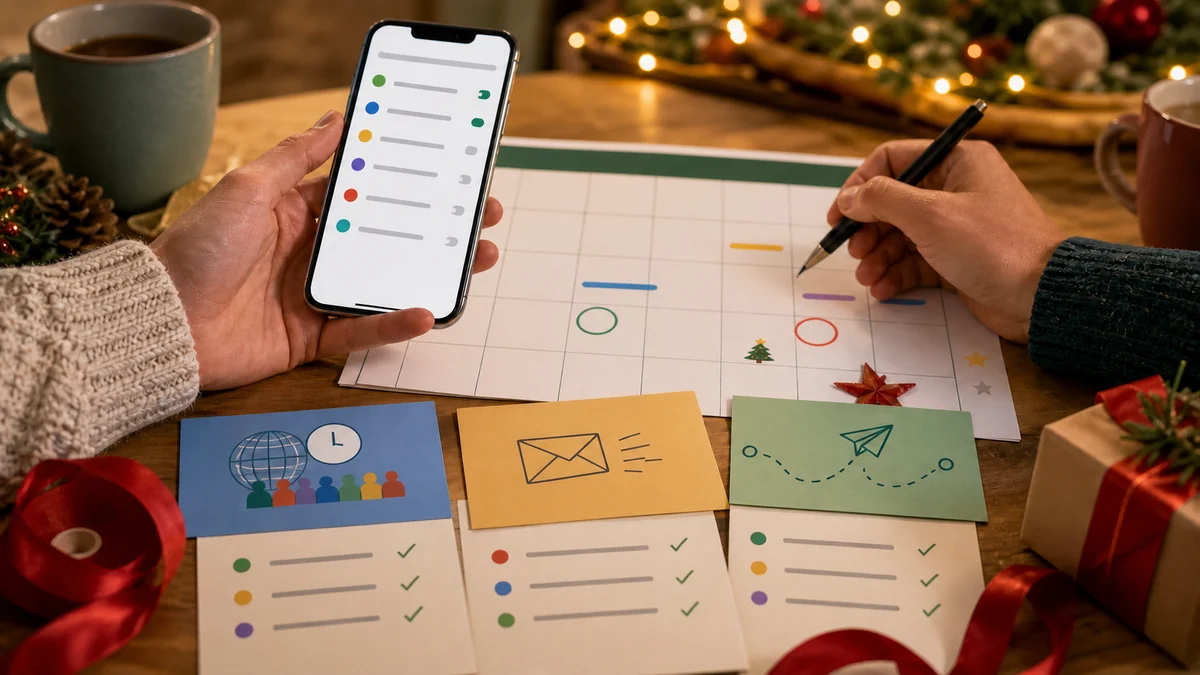
The holiday season is synonymous with family gatherings, elaborate meals, thoughtful gifts, and a flurry of seasonal plans. It is a time of joy, but coordinating the logistics of multiple households can quickly turn festive cheer into logistical stress. The sheer volume of communication required to align schedules, share gift ideas, and confirm travel arrangements often leads to fragmented text threads and missed information. Families need a more deliberate approach to their holiday communication—one that replaces constant pinging with thoughtful, organized updates. By structuring how and when information is shared, you can maintain the magic of the season without being overwhelmed by the administrative burden of family coordination.
One of the most effective strategies for managing this communication is moving away from real-time, ad-hoc messaging and embracing a scheduled, batched approach. Rather than sending a text every time a small detail changes, compiling updates into structured messages ensures that everyone receives the necessary information without constant interruptions. This approach is particularly valuable for large families or those spread across different regions. It allows the organizer to outline the plans clearly and gives the recipients the opportunity to digest the information at their convenience. The goal is to establish a calm holiday communication workflow that covers consent, respects time zones, and relies on careful drafting rather than spontaneous typing.
Coordinating the Chaos: Holiday Family Updates
The Importance of Timely Communication
Timely communication is the bedrock of successful holiday planning. When details regarding the Christmas dinner menu, arrival times, or gift exchanges are left to the last minute, it creates unnecessary anxiety for everyone involved. The host is left wondering how many places to set, while guests are unsure what they need to contribute. By prioritizing early and clear communication, families can bypass the typical holiday rush. This involves setting expectations weeks in advance and providing regular, structured updates as the plans solidify. The objective is not to inundate the family with constant chatter, but to provide a steady stream of reliable information that keeps everyone aligned and informed.
However, timely communication must be balanced with respect for individual schedules. The holidays are a busy period for everyone, with end-of-year work deadlines, school events, and personal commitments overlapping. Sending a crucial update about the family gathering in the middle of a workday can lead to the message being overlooked or forgotten. This is where the concept of scheduled messaging becomes invaluable. It allows the planner to compose the update when it is convenient for them, but deliver it at a time when the family is most likely to read and respond to it thoughtfully.
Respecting Different Time Zones and Schedules
For families distributed across different regions, time zones add a significant layer of complexity to holiday coordination. A text message sent during a convenient evening hour on the East Coast might wake someone up on the West Coast or arrive during a busy morning commute elsewhere. A calm communication workflow must account for these geographical differences. When organizing updates, it is essential to consider the recipient’s local time. The goal is to ensure that the message arrives during a window of downtime, increasing the likelihood that it will be read carefully and that any requested responses will be provided promptly. Scheduling messages allows the sender to navigate these time zone differences effortlessly, ensuring that the communication is considerate and effective.
Establishing a Calm Communication Workflow
Gathering Consent from Family Members
Before implementing a new communication strategy, it is important to establish ground rules and gather consensus from the family. Not everyone appreciates being added to a massive group chat, and some may prefer to receive updates individually. A calm workflow begins with a conversation about how the family prefers to communicate during the holidays. This might involve agreeing on a primary channel for major announcements—such as a specific chat group or an email thread—and reserving direct messages for individual questions. By setting these boundaries early on, you prevent the frustration that arises when important details are buried in an active, off-topic group chat. The focus should be on creating a system that everyone is comfortable using and checking regularly.
Setting Clear Boundaries for Group Chats
Group chats are a common tool for family coordination, but they can quickly devolve into a chaotic mix of memes, side conversations, and crucial planning details. To keep the holiday planning on track, it is necessary to establish clear boundaries for the main coordination group. This might involve designating the group strictly for logistical updates and creating a separate, informal chat for general holiday banter. The organizer should lead by example, using the planning chat only for substantial updates regarding dates, meals, and arrangements. By maintaining the focus of the group chat, families can ensure that important information remains easily accessible and is not lost in the noise of casual conversation.
Drafting Your Holiday Messages in Advance
What to Include in Your Updates
The key to effective batched communication is comprehensive drafting. When composing a scheduled update, it should contain all the relevant information for that specific phase of planning. A message sent early in the season might outline the proposed dates and ask for initial availability. A subsequent update might confirm the final dates and initiate a discussion about the menu. The goal is to be thorough but concise. Bullet points are highly effective for highlighting key details, such as arrival times, dietary restrictions, and gift exchange rules. By structuring the message clearly, the organizer makes it easy for the family to read, understand, and reference the information later.
Furthermore, these updates should always include a clear call to action if a response is required. If the organizer needs to know who is bringing a dessert, the message should state the deadline for responding clearly. Ambiguity is the enemy of organized planning. By being explicit about what information is needed and when, the organizer reduces the need for follow-up texts and keeps the planning process moving smoothly.
Reviewing Before You Send
One of the primary advantages of drafting messages in advance is the opportunity for review. In the heat of the moment, it is easy to send a text that contains errors or omits crucial details. When a message is prepared ahead of time, the sender can step away, review it with fresh eyes, and ensure that it is accurate and complete. This human review process is essential for catching mistakes—such as listing the wrong date for the family dinner or forgetting to mention a new dietary requirement. A carefully reviewed message prevents the confusion and flurry of corrective texts that inevitably follow a hastily sent update. The emphasis should always be on clarity and precision over speed.
How to Manage Scheduled Deliveries
Technology can support a batched communication strategy, but the available controls and delivery behavior may change. Review this guide on how to schedule a Messenger message, then confirm the current method in the exact app and account before relying on it. Keep the reviewed message in a planning document and maintain a manual-send fallback so an important family update does not depend on an unverified feature.
Confirming Delivery and Follow-Ups
While scheduling tools can be helpful, they do not replace active management. After the planned send time, verify whether the update was delivered before assuming anyone received it. A calm workflow includes setting aside dedicated time to review replies and confirm important details. If a family member does not respond to a critical question by the stated deadline, a gentle, individual follow-up may be necessary. The goal is to reduce repetitive logistics while preserving genuine interaction.
Integrating Updates with Your Holiday Planning
Using Checklists for Better Organization
Effective communication is only one half of the equation; the other half is robust organization. To ensure that the drafted messages contain accurate and complete information, the organizer needs a reliable system for tracking the plans. This is where structured planning tools become essential. By utilizing a comprehensive guide to ignite your holiday season with the perfect checklist, the organizer can map out the entire season, from the initial menu planning to the final gift wrapping. The checklist dictates what needs to be communicated and when, ensuring that no detail is overlooked and that the family updates are always relevant to the current stage of planning.
Sharing Warm Wishes and Sentiments
While the focus of these scheduled updates is logistical coordination, they should not be devoid of holiday spirit. A purely transactional message can feel cold and detached. The communication workflow should incorporate warmth and excitement for the upcoming gathering. When drafting the updates, the organizer can weave in seasonal greetings or expressions of anticipation. For inspiration on adding a personal touch to these logistical messages, one might explore heartwarming christmas card messages ideas for family friends. Incorporating these sentiments reminds everyone that the purpose of the careful planning is to create a joyful and memorable experience for the family.
Handling Unexpected Changes to the Itinerary
Despite the most careful planning, the holiday season is prone to unexpected changes. Flights are delayed, illnesses occur, and plans must be adjusted. The communication workflow must be flexible enough to handle these disruptions. When a significant change occurs, the scheduled updates may need to be paused or revised. In these instances, a direct, real-time message is often the most appropriate course of action. The structured approach to communication should reduce the everyday chaos, but the organizer must remain adaptable and ready to communicate live when the situation demands it.
Holiday Message Timeline Recommendations
To assist in structuring your communication, the following table provides a recommended timeline for family updates.
| Timeline phase | Message Focus | Action Required | Recommended Delivery |
|---|---|---|---|
| 6 Weeks Out | Initial Dates and Availability | Confirm attendance and block calendar. | Weekend morning. |
| 4 Weeks Out | High-level Itinerary and Lodging | Confirm accommodation needs. | Weekday evening. |
| 3 Weeks Out | Menu Planning and Dietary Needs | Assign dishes and note allergies. | Weekend afternoon. |
| 1 Week Out | Final Confirmation and Arrival Times | Review finalized schedule. | Weekday evening. |
Conclusion
Coordinating holiday family gatherings does not have to be a source of continuous stress. By adopting a calm communication workflow that emphasizes thoughtful drafting, clear boundaries, and the strategic timing of updates, organizers can bring order to the seasonal chaos. The key is to move away from constant, fragmented text messages and toward a system of structured, comprehensive updates that keep everyone informed without overwhelming them. Whether managing time zones, coordinating menus, or sharing the itinerary, a deliberate approach to family communication ensures that the focus remains on the joy of the gathering, rather than the logistics of the planning.


0 Comments